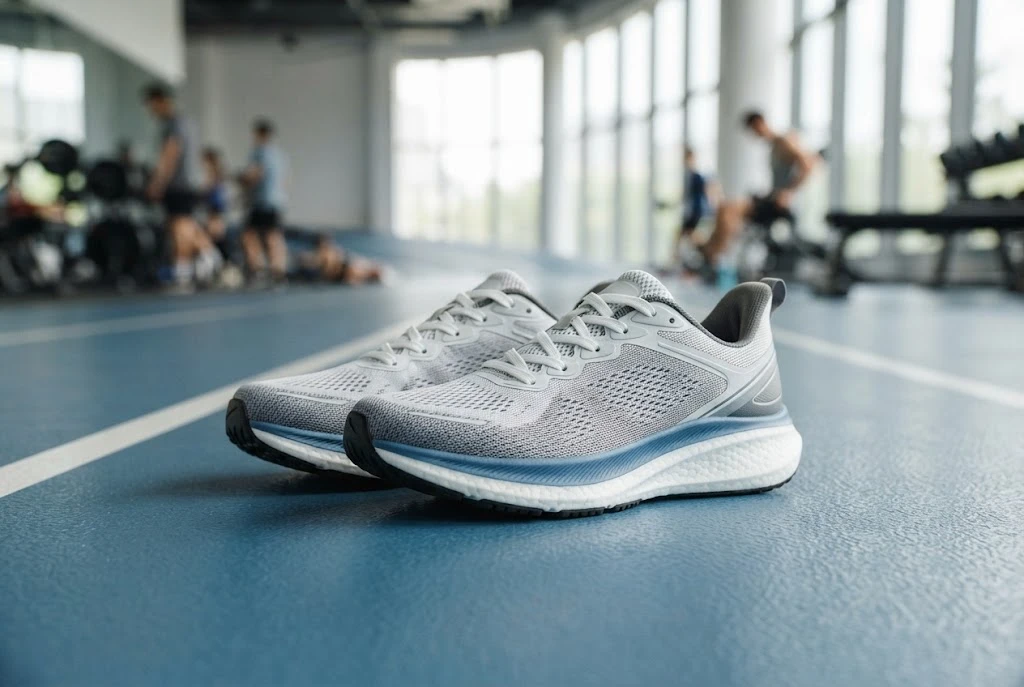
GMDJD sport shoes are presented as performance-oriented footwear, making them a useful topic for anyone researching athletic shoes that combine an active look with practical comfort. Rather than focusing only on a shoe’s appearance, shoppers should consider how they plan to use it, what type of surface they will encounter, and how the shoe fits their individual foot.
What Makes a Good Pair of Sport Shoes?
Sport shoes are designed for movement. Unlike footwear intended primarily for formal or casual use, athletic shoes generally place greater emphasis on features such as cushioning, flexibility, traction, support, and fit.
However, there is no single shoe design that works equally well for every activity. Running involves repetitive forward movement, while gym training can include lifting, jumping, and lateral movements. Court sports can place additional demands on grip and side-to-side stability.
That is why the intended activity should be the starting point when evaluating GMDJD sport shoes or any other athletic footwear.
GMDJD Sport Shoes and Everyday Athletic Use
For people who want footwear that can transition between active routines and everyday activities, a versatile sports-shoe design can be appealing. A practical pair should feel comfortable during normal walking while also providing the basic characteristics expected from athletic footwear.
Breathability can be particularly useful during longer periods of wear. A well-ventilated upper may help reduce heat and moisture buildup, while an appropriately cushioned midsole can make walking and light activity more comfortable.
The key is to match the shoe’s construction to the level of activity. A versatile everyday trainer should not automatically be treated as a specialized competition shoe unless its construction and intended use support that purpose.
Comfort Starts With the Right Fit
Even a technically well-designed sports shoe can feel uncomfortable if the fit is wrong. Foot shape varies considerably, so shoppers should pay attention to length, width, heel security, and available room around the toes.
Check the Toe Area
Your toes should have enough space to move naturally without the foot sliding excessively inside the shoe. A cramped toe box can become uncomfortable during extended walking or exercise, while excessive space can reduce stability.
Pay Attention to Heel Security
The heel should remain reasonably secure when you walk or move. Excessive heel movement may indicate that the shoe is too large or that its shape does not suit your foot.
Consider Width
Width is just as important as length. People with wider or narrower feet may find that some shoe shapes feel significantly better than others even when the nominal size is correct.
Cushioning and Support
Cushioning is one of the most noticeable characteristics of modern sports shoes. It can influence how the shoe feels during walking, running, or training, but more cushioning is not automatically better for every person or activity.
Someone primarily walking for exercise may prioritize a comfortable and consistent underfoot feel. A person performing gym exercises may instead prefer a firmer and more stable platform for movements that involve lifting or changing direction.
Support should also be considered in relation to the individual wearer. Instead of assuming that one type of support is universally appropriate, shoppers should pay attention to how naturally and securely their feet feel inside the shoe.
Traction Matters Where You Exercise
The outsole is another important part of athletic footwear. Different activities and surfaces can require different levels and patterns of traction.
For example, a shoe intended primarily for indoor training may have different outsole characteristics from footwear intended for outdoor running. Court-based activities can also require traction that accommodates frequent lateral movement.
Before purchasing GMDJD sport shoes, consider where you will use them most often. Indoor gyms, sidewalks, tracks, artificial surfaces, and outdoor paths can all create different footwear requirements.
Running vs. Training: Why the Difference Matters
One of the most common mistakes when buying sports shoes is assuming that all athletic footwear is interchangeable. Running and training can involve very different movement patterns.
Running shoes are generally designed around repeated forward strides and the demands of running-specific movement. Training shoes can be more versatile for gym workouts, strength exercises, drills, and movements that require greater lateral stability.
If running is your primary activity, focus on a shoe intended for running. If your routine involves strength training, fitness classes, and mixed movements, look for footwear designed around those requirements.
For additional sports-related footwear context, readers can also explore athletic performance apparel and activewear as part of a broader approach to choosing appropriate workout gear.
Style Still Has a Role
Performance does not mean appearance has to be ignored. Many shoppers want sports shoes that work with athletic clothing while remaining suitable for casual everyday outfits.
A clean silhouette and versatile color can make athletic shoes easier to wear outside structured workouts. However, style should remain secondary to fit and intended use when the primary purpose is exercise.
Sports footwear can also form part of an individual’s wider personal style. For readers interested in athletic fashion and sports-related clothing, sport-inspired clothing and apparel provide another perspective on combining activity and everyday style.
How to Choose GMDJD Sport Shoes for Your Activity
Instead of buying based only on a product name or visual appearance, use your activity as the main filter.
- For walking: prioritize comfort, appropriate cushioning, secure fit, and a dependable outsole.
- For running: look for running-specific construction that matches your running surface and routine.
- For gym workouts: consider stability, flexibility, and the types of exercises you perform.
- For casual athletic wear: prioritize comfortable fit and a design that works with your everyday wardrobe.
- For mixed activities: choose a versatile trainer when your routine includes several types of movement.
Young athletes and families shopping for sports equipment can also explore related local recreation topics such as youth sports and family recreation at Clayton Civitan Sports Park.
What to Look for Before Buying
A simple checklist can prevent many common footwear mistakes. Before purchasing, consider the following factors:
- Primary activity: Know whether you need shoes for running, training, walking, or general use.
- Surface: Consider whether most of your activity happens indoors, outdoors, on pavement, or on another surface.
- Fit: Make sure the length and width feel appropriate for your feet.
- Comfort: Walk around in the shoes and pay attention to pressure points.
- Traction: Check whether the outsole suits the surfaces where you plan to exercise.
- Construction: Look at the upper, midsole, outsole, and overall build rather than judging the shoe only by its appearance.
- Intended use: Make sure the manufacturer’s stated purpose matches your routine.
Sports Shoes and an Active Lifestyle
Good footwear can be one part of a broader active lifestyle. The right shoes do not replace sensible training habits, gradual progression, proper technique, or adequate recovery, but suitable footwear can make regular movement more comfortable.
For families, recreational sports can also provide a reason to stay active together. Community sports facilities such as Kinyon Sports Complex can be part of that broader recreational environment.
People who participate in multiple sports may also benefit from understanding how footwear requirements change between activities. A shoe that works well for one type of movement may not be the right choice for another.
How to Get More Life From Your Sport Shoes
Once you find a suitable pair, basic care can help maintain its condition. Avoid treating athletic footwear as interchangeable with work boots or casual shoes when the construction is intended for a specific activity.
Allow shoes to dry naturally when they become damp, keep them reasonably clean, and avoid unnecessary exposure to conditions that can damage their materials. Rotating between pairs can also be useful for people who exercise frequently.
Pay attention to changes in comfort and performance. If the outsole becomes excessively worn, the cushioning feels substantially different, or the upper develops significant damage, it may be time to reassess whether the shoes are still suitable for your routine.
GMDJD Sport Shoes: What Should You Expect?
The value of any sports shoe ultimately depends on how well its design matches the person wearing it. Rather than assuming that a particular model is ideal for every athlete, evaluate its fit, construction, intended activity, and surface compatibility.
GMDJD sport shoes can be considered within that broader athletic-footwear category, but buyers should make their decision based on the actual specifications and intended use of the particular pair they are considering.
This approach is especially useful when product information is limited or when a shoe is being considered for several different activities. Matching footwear to movement is more useful than choosing based solely on style or a general performance claim.
Frequently Asked Questions
What are GMDJD sport shoes?
GMDJD sport shoes are athletic-style footwear associated with sports and active use. The appropriate model depends on its specific construction, intended activity, fit, and surface compatibility.
Can sport shoes be used for everyday walking?
Some sports shoes can work well for everyday walking, particularly when they provide a comfortable fit and appropriate cushioning. However, specialized athletic shoes should still be used according to their intended purpose.
Are sports shoes suitable for gym workouts?
Some are, but the right choice depends on the workout. Training shoes may be more suitable for mixed gym movements, while running shoes are designed around running-specific movement.
How should sports shoes fit?
They should feel secure without creating excessive pressure. The toes should have appropriate room, the heel should remain reasonably stable, and the shoe should not cause uncomfortable pressure points.
Does shoe traction matter?
Yes. Traction should match the surface and activity. Indoor training, outdoor walking, running, and court sports can place different demands on an outsole.
Should style or performance come first?
For athletic use, fit and functional suitability should generally come first. Style can then help determine which suitable design best matches your preferences.
Conclusion
GMDJD sport shoes can be evaluated as part of the wider athletic-footwear market, but choosing the right pair requires more than looking at appearance. Activity type, fit, cushioning, stability, traction, surface, and intended use all deserve attention.
The most practical approach is to start with what you actually do. Identify your primary activity, understand the environment where you exercise, find a comfortable fit, and then compare the available designs. That process makes it easier to select sports footwear that supports your routine while still fitting your personal style.