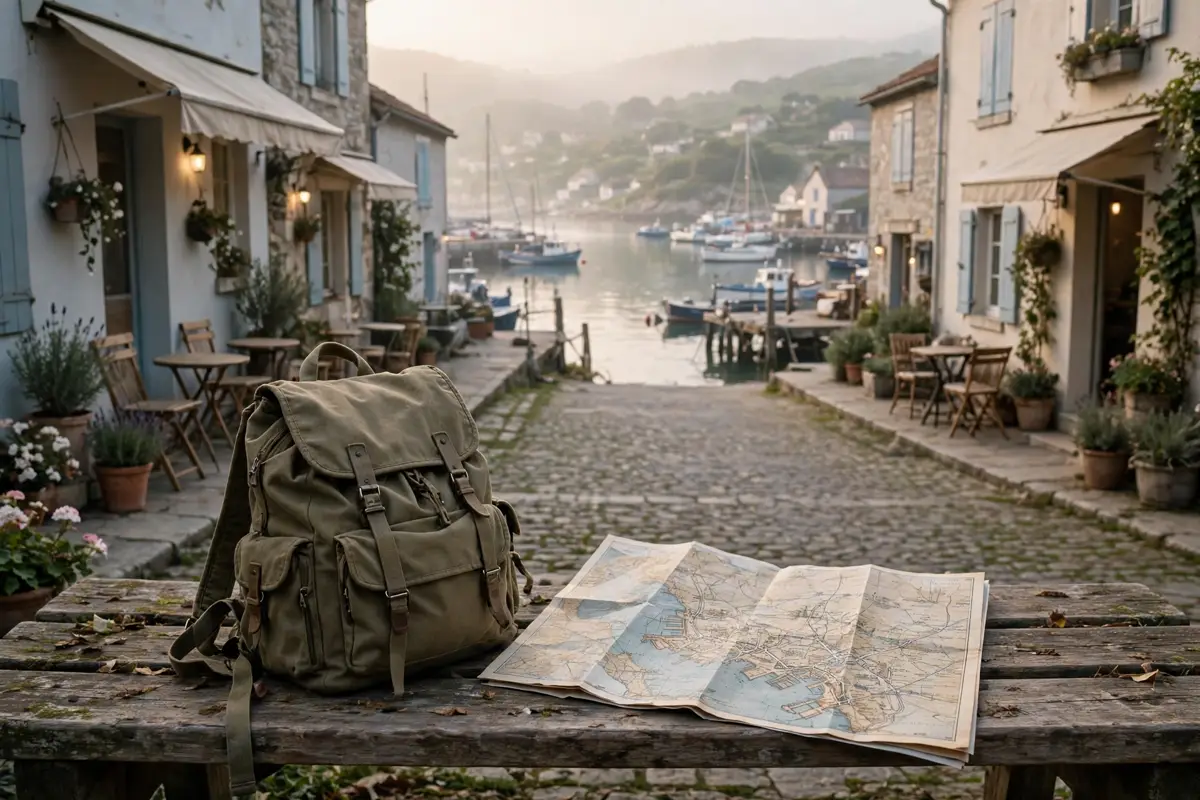
A budget-friendly weekend getaway proves that a great break does not need a big budget or a long holiday. Two days away from routine, planned well, can recharge you as much as a longer trip, and it costs far less when you make a few smart choices. The trick is spending money on the parts that matter, such as a comfortable place to sleep and one memorable experience, while cutting the costs that add nothing, such as expensive transport, overpriced meals, and rushed sightseeing. This guide walks through planning a weekend getaway that feels generous without stretching your wallet.
Pick the Right Destination
Distance is the biggest cost lever for a short trip. A destination within two or three hours of home keeps transport cheap and leaves you with two full days to enjoy, instead of losing most of the weekend to travelling. Small towns, coastal villages, and countryside escapes often give you more for less than big cities: cheaper stays, free natural sights, and restaurants where locals eat rather than tourist-priced menus. Look for places with a mix of things to do without entry fees, such as walks, markets, beaches, and historic streets, so your days feel full even before you spend anything.
Timing matters too. Travelling just outside peak season, or choosing a Friday-to-Sunday pattern instead of Saturday-to-Monday, can cut accommodation prices noticeably. If your dates are flexible, compare a few weekends before booking. A place that is expensive during a festival weekend can be half the price the weekend after, with the same scenery and quieter streets. Checking local advisories and conditions before you book is also smart, because weather, road works, or local events can change both the cost and the experience of a short trip.
Keep Accommodation and Transport Costs Down
Accommodation is usually the biggest single cost of a weekend away, so it deserves the most thought. A small guesthouse, a well-reviewed budget hotel, or a room in a family-run place often beats a big chain on both price and character. Book directly where possible, and check what is included: breakfast included can save the cost of two morning meals, and free parking matters if you are driving. Small-town hotel stays are a good example of how a modestly priced base can still feel special, especially when the town itself is the attraction.
For transport, compare the real total cost of each option, not just the ticket price. Driving can be cheapest for two or more people once fuel and parking are counted, while buses and trains win for solo travellers and let you relax instead of navigating. Travelling light helps here as well: packing light for a trip means no checked-bag fees, faster connections, and the freedom to walk from the station to your stay instead of paying for a taxi. If you fly, a single small bag and a flexible ticket time can cut the fare more than any discount code.
Eat Well Without Overspending
Food is where weekend budgets quietly disappear, but eating well on a budget is easy with a little planning. Eat your main meal at lunch, when many restaurants offer the same food for less than in the evening. Try local markets, bakeries, and street food for at least one meal a day: they are usually cheaper, fresher, and more memorable than restaurants in the busiest tourist spots. If your stay has a kitchen or even a kettle, breakfast in your room and a picnic lunch can save enough to pay for one really good dinner.
Set a simple daily food budget before you go, and keep one splurge in the plan. A weekend away feels generous when there is one meal or treat you genuinely look forward to, whether that is a seafood dinner, a local specialty, or a café with a view. Cutting everything makes the trip feel thin; cutting the forgettable spending and keeping one highlight makes it feel rich. Carry a reusable water bottle, skip the overpriced drinks at attractions, and remember that the best food memories rarely come from the most expensive tables.
Fill the Days Without Filling the Budget
The best weekend activities are often free or nearly free. A coastal walk, a morning market, a historic neighbourhood, a park, or a free museum can fill a day better than a string of paid attractions. Pick one paid experience per day at most, and let the rest of the time breathe: wander, sit in a café, and explore without a schedule. Some of the most enjoyable stays are the ones where the town itself is the experience, whether that is a lakeside hotel town or a small town stay with its own character. The place you sleep is part of the getaway, not just a bed for the night.
Leave gaps in your plan on purpose. A weekend packed with bookings feels like work, and rushing between sights costs money in taxis and tickets. Two or three things per day, with time to linger, is plenty. If the weather turns or a place disappoints, a loose plan lets you change direction without losing bookings. The goal of a weekend getaway is to come home rested, not to tick off a list.
A Simple Weekend Budget That Works
Before you book anything, set three numbers: transport, stay, and daily spending. Keep transport and stay fixed once booked, and give yourself a daily amount for food and activities that you can track without stress. A simple rule is to decide the total first, then fit the destination to it, rather than picking a dream trip and hoping the budget follows. If the numbers do not work for one destination, a closer town or a different weekend usually fixes them.
A budget-friendly weekend getaway is not about missing out. It is about choosing well: a closer destination, a characterful stay, one great meal, and days filled with places rather than purchases. Plan the essentials, pack light, leave room for spontaneity, and come home with your wallet and your energy both intact. The next weekend is never far away, and the best trips are often the simplest ones.