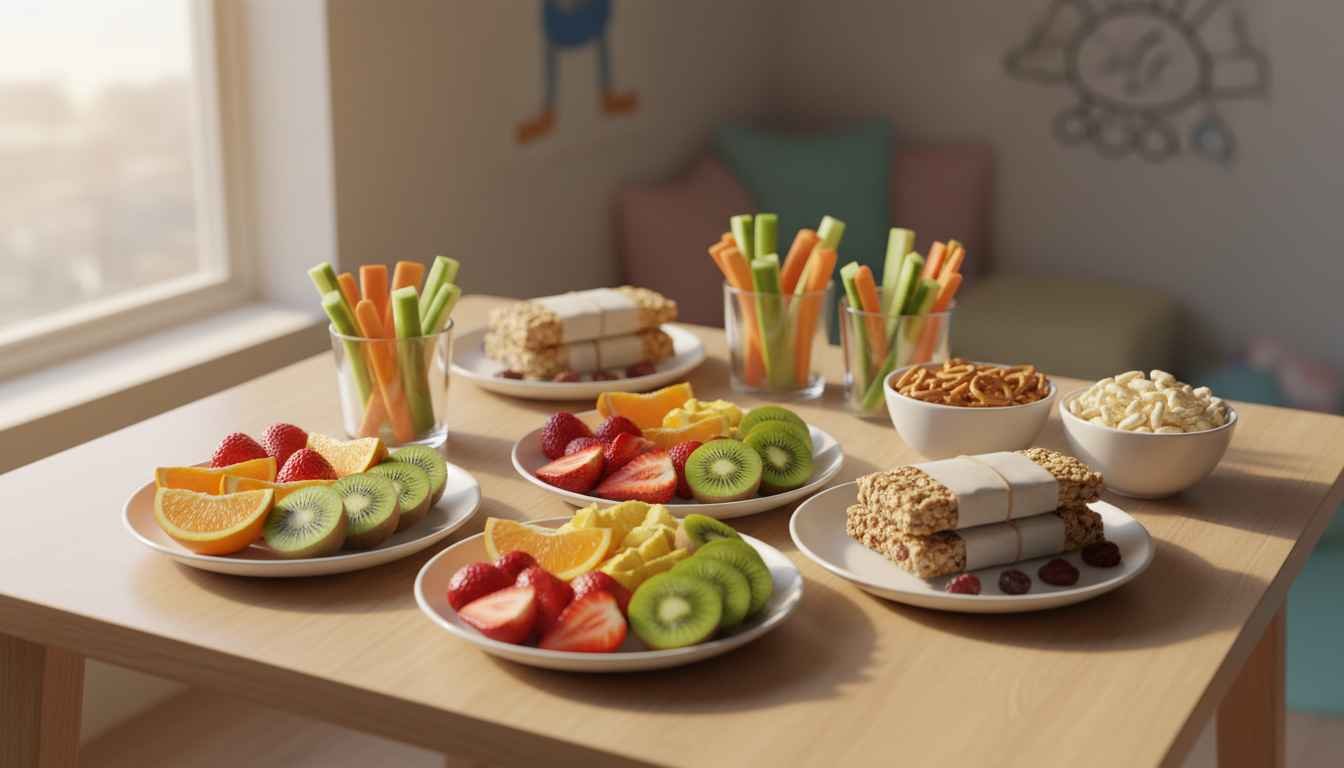
Here is the brutal truth. Finding snacks for autistic kids that are both nutritious and appealing is far more complicated than it seems. Autistic children often face sensory sensitivities, dietary restrictions, and behavioral challenges that make standard snack options unsuitable. Parents and caregivers need a clear, structured approach that balances taste, texture, and nutritional value while ensuring safety.
Children with autism may have heightened sensitivities to certain textures, colors, or flavors. For instance, crunchy snacks may overwhelm some, while others may reject smooth or mixed-texture foods. Additionally, some children are prone to gastrointestinal issues or have allergies, which further narrows viable snack options. Creating a snack plan that is both predictable and flexible is crucial.
Before diving into snack choices, consider visiting Marie Nicole Clothing for tips on comfort and stress-free routines. Simple clothing adjustments can reduce sensory overload, creating a calmer environment for snack time. This approach ties into the broader strategy: designing a sensory-friendly routine around eating can dramatically improve compliance and enjoyment.
Step-by-Step Snack Selection Algorithm
To simplify the process, follow this algorithmic approach:
Step 1: Assess Sensory Preferences
Determine whether your child prefers crunchy, soft, chewy, or smooth textures. Note any aversions to colors, shapes, or flavors. This step ensures your snacks align with your child’s sensory profile.
Step 2: Check Dietary Restrictions
Identify food allergies, sensitivities, or intolerances. Gluten, dairy, and artificial additives are common triggers. Eliminate all restricted items from your list to avoid potential negative reactions.
Step 3: Prioritize Nutrient Density
Select snacks rich in essential nutrients such as fiber, protein, and healthy fats. Examples include fruit slices, nut butters, roasted chickpeas, or yogurt. Balance between macronutrients and micronutrients is critical for maintaining steady energy and cognitive function.
Step 4: Simplify Ingredients
Aim for single-ingredient or minimally processed snacks. Complex ingredient lists can trigger reactions or be confusing for picky eaters. This reduces the likelihood of digestive upset and sensory overwhelm.
Step 5: Offer Predictable Portions
Standardize serving sizes using small containers or pre-portioned bags. Predictability in quantity helps children develop a sense of control and reduces anxiety during snack time.
Step 6: Monitor and Adapt
Observe reactions carefully. Track which snacks are well-tolerated and which are refused or cause discomfort. Adjust your selection algorithm over time based on empirical feedback.
Top Snack Categories for Autistic Kids
1. **Fresh Fruits and Vegetables** – Apples, carrots, or cucumber sticks. Serve raw or lightly steamed to match texture preferences. Nutrient-rich and naturally sweet, these snacks are ideal for sensory-sensitive children.
2. **Protein-Rich Options** – Hard-boiled eggs, cheese cubes, or nut butters (if allergies permit). Protein helps maintain energy levels and stabilizes blood sugar.
3. **Healthy Grains** – Rice cakes, whole-grain crackers, or oats-based snacks. Choose low-sugar varieties to avoid hyperactivity spikes.
4. **Smoothies and Purees** – Blend fruits and vegetables with yogurt or nut milk. This works well for children who prefer smooth textures.
5. **Specialty Diet Snacks** – Gluten-free, dairy-free, or low-FODMAP options tailored to specific dietary needs. Always consult a healthcare professional if implementing restrictive diets.
Potential Drawbacks
Even with careful planning, some snacks may be rejected due to texture or flavor. Over-reliance on a limited range can cause nutritional gaps. Highly processed “safe” snacks may contain hidden sugars, salt, or additives that exacerbate behavioral or digestive issues. Always rotate snack options and monitor intake to ensure a balanced diet.
It is essential to note that while snacks can be tailored, they cannot replace comprehensive nutritional planning. Work with a pediatrician or dietitian to ensure your child’s overall diet meets developmental needs.
Step-by-Step Flowchart Description
1. **Start → Assess Sensory Preferences**
2. **Dietary Restrictions?** → If yes, eliminate restricted foods → If no, proceed.
3. **Select Nutrient-Dense Options** → Single-ingredient preferred.
4. **Portion Control** → Pre-portioned servings.
5. **Offer Snack & Monitor Reaction** → Positive reaction → Continue, Negative reaction → Adjust selection.
6. **End → Update Snack List Based on Feedback**
By following this algorithm, caregivers can systematically select snacks that maximize nutrition, minimize sensory distress, and respect individual dietary requirements. Predictable routines paired with careful monitoring ensure snack times are both safe and enjoyable.