Learning how to pack light for a week-long trip changes the way you travel. No dragging a heavy case through stations, no waiting at the baggage carousel, no extra fees for a bag you barely open. A single well-packed bag gives you freedom: you move faster, change plans more easily, and spend the trip enjoying places instead of managing luggage. The secret is not owning special gear. It is choosing fewer, better things and packing them with a plan. This guide shows you how to pack light for seven days, step by step, from choosing the bag to the final checklist before you leave.
Start With the Bag, Not the Clothes
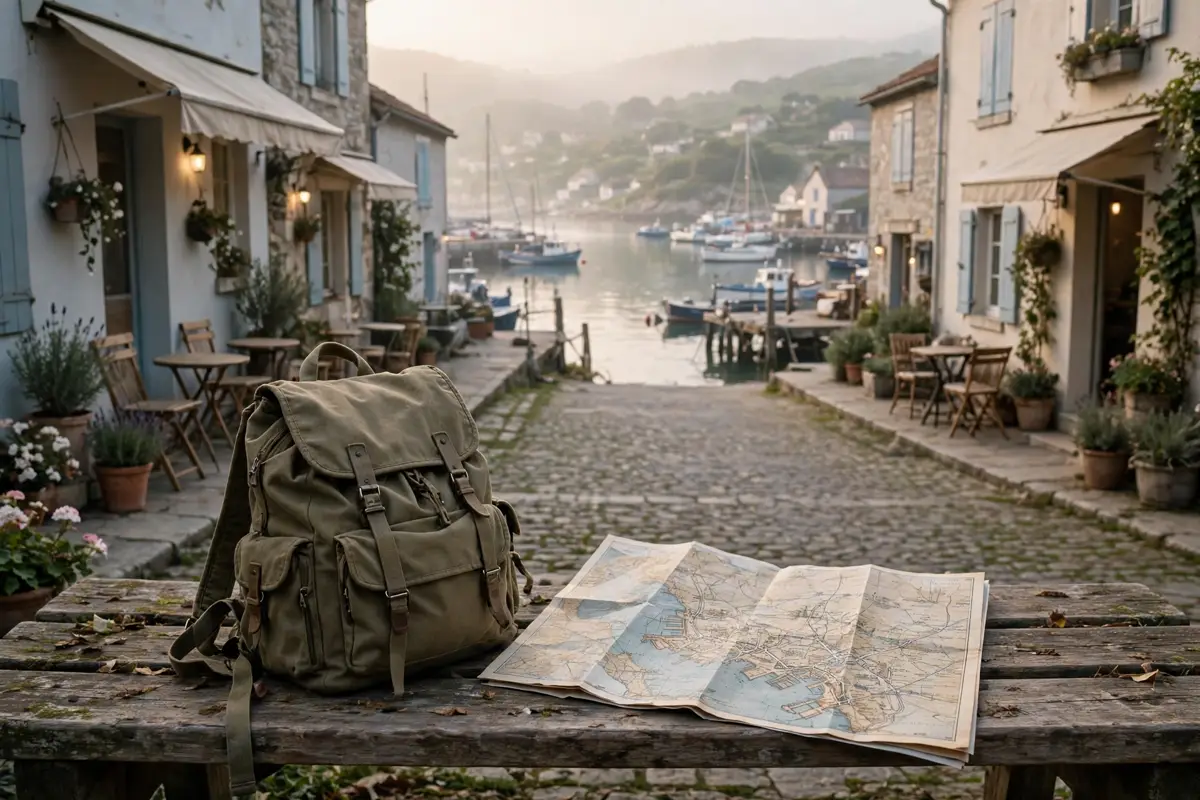
Packing light starts with the size of your bag, because you will always fill the bag you bring. For a week-long trip, a carry-on sized bag of around 40 litres is the sweet spot for most people. It forces honest choices without making the trip uncomfortable. Before you buy anything new, check what you already own: a soft-sided bag that fits airline cabin limits and opens flat like a suitcase is easier to pack than a top-loading backpack, especially when you want to find one shirt without emptying everything.
Lay out everything you think you need on the bed first, then remove a third of it. This sounds harsh, but almost every traveller overpacks the same way: extra outfits for occasions that never happen, duplicate items, and things packed out of worry rather than need. If you are travelling somewhere with shops, remember you can buy almost anything you forget. The goal is not to suffer with too little. It is to carry only what you will actually use.
Build a Capsule Wardrobe for Seven Days
The heart of packing light is a small wardrobe where everything works together. Pick a simple colour story, such as navy, grey, and white, or black, olive, and cream, and choose pieces that all mix and match. For a week, a practical core is: three or four tops, two bottoms, one layer for warmth, one outfit for smarter occasions if your trip needs it, and the clothes you travel in. That gives you enough combinations for seven days without repeating the same outfit, especially if you wash a couple of items halfway through.
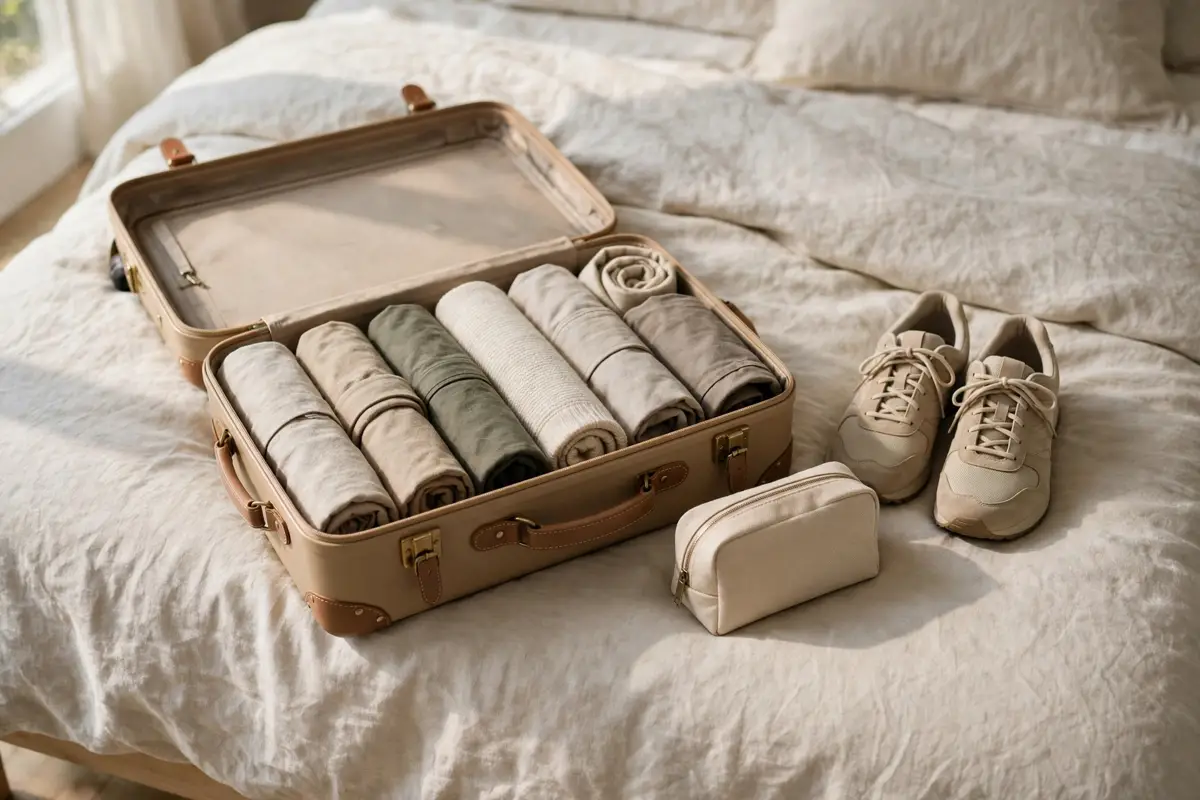
Fabric choice matters as much as quantity. Clothes that resist wrinkles, dry quickly, and feel comfortable after hours of wear will serve you far better than dressier items that need ironing. Roll soft items instead of folding them: rolling saves space, reduces creases, and makes it easy to see everything at a glance. Packing cubes help too, not because they compress magically, but because they keep categories separate, so you are not digging through the whole bag for socks. Put the heaviest items near the wheels or the bottom of the bag, and keep one complete change of clothes accessible at the top in case your bag is delayed.
Shoes, Toiletries and the Little Things
Shoes are where most packing plans fall apart, because they are heavy and bulky. The rule is simple: wear your heaviest pair and pack at most one extra pair, and only if you truly need it. A comfortable walking shoe that also looks smart enough for dinner covers almost every trip. If you need formal shoes or hiking boots, wear them on travel days rather than packing them.
Toiletries should be small and few. Decant shampoo, moisturiser, and other liquids into small travel bottles, and skip anything you can buy at your destination or that your hotel provides. Keep liquids in one clear pouch at the top of your bag for airport security. For electronics, one charger with the right cable, a small power bank, and your phone cover most trips; leave the extra gadgets unless you have a clear plan to use them. A tiny first-aid kit, a reusable water bottle, and a small daypack that folds flat will prove useful every single day.
Plan Around Your Destination
Packing light works best when you plan for the actual trip, not an imaginary one. Check the weather for your destination across the whole week, not just the first day, and check whether your trip involves anything special, such as a beach, a formal dinner, or long walks. Checking travel advisories before you go is a habit worth building for any destination, because local conditions, from weather to transport disruption, can change what you need to carry. If your trip includes a longer stay in one place, find out whether laundry is available: a mid-week wash turns seven days of clothes into four days of packing.
Think about where you will sleep as well. Choosing a comfortable place to stay matters more than a perfect packing list, because a good base makes everything else easier, from storing your bag to washing clothes. And if your week-long trip is a bigger adventure, such as exploring Australia, the same light-packing rules apply at a larger scale: fewer things, chosen well, carried comfortably. The longer the trip, the more a light bag pays off.
The Final Checklist Before You Leave
The night before you travel, run through a short checklist. Documents and money: passport or ID, tickets, payment cards, and insurance details, ideally with copies stored separately. Health: any medication you need, plus a few basics for headaches or stomach upsets. Comfort: something to read or listen to, a snack for the journey, and layers for temperature changes. Then close the bag and try carrying it around your home for a few minutes. If it feels heavy now, it will feel much heavier at the end of a long travel day, so take one more thing out.
Good packing is also about rest. Travelling light means fewer decisions, less stress, and more energy for the trip itself, and rest and recovery on the road are what turn a good trip into a great one. If a short break is more your style than a full week away, the same principles apply to planning a budget-friendly weekend getaway: pack less, plan the essentials, and leave room for spontaneity. Pack light, move freely, and enjoy the week.